CS-Cart vs WooCommerce
From launching a single store to managing a powerful multi-vendor marketplace — find out which platform grows with your ambitions.
CS-Cart Multi-Vendor vs WooCommerce: Choosing the Right eCommerce Platform
Choosing the right eCommerce platform to launch an online store or a digital marketplace can significantly influence the long-term success of your business. Among the most widely discussed solutions today are CS-Cart Multi-Vendor and WooCommerce. While both platforms enable businesses to sell products online, they cater to very different needs and business models.
CS-Cart is a dedicated eCommerce platform built specifically for online stores and multi-vendor marketplaces, whereas WooCommerce is a flexible WordPress plugin designed primarily for content-driven websites that want to add eCommerce functionality. In this article, we’ll explore their features, advantages, drawbacks, and ideal use cases to help you make a well-informed decision.
What Are eCommerce Platforms?
eCommerce platforms are software solutions that allow entrepreneurs to create, manage, and scale online stores. They provide essential tools such as product and inventory management, secure payment processing, shipping integrations, marketing features, and analytics.
With global eCommerce sales projected to reach $7.5 trillion by 2025, choosing a reliable and scalable platform is more important than ever. Modern consumers expect fast search results, relevant filters, smooth checkout experiences, and mobile-friendly designs—all of which an eCommerce platform must support.
Understanding CS-Cart and WooCommerce
CS-Cart
CS-Cart is a self-hosted, open-source eCommerce solution designed for businesses that need advanced store management or marketplace functionality. Its Multi-Vendor edition allows multiple sellers to operate independently within a single platform, making it ideal for Amazon- or Etsy-like marketplaces.
Woocommerce
WooCommerce is a free WordPress plugin that converts a WordPress website into an online store. It is popular among bloggers, startups, and small to medium-sized businesses due to its flexibility, large plugin ecosystem, and seamless WordPress integration.
Overview CS-Cart and WooCommerce
CS-Cart
Installations and Market Reach
CS-Cart is used in over 170 countries with around 50,000 installations. Its Multi-Vendor edition powers more than 2,000 active marketplaces, showing strong adoption among businesses focused on marketplace models.
Multi-Vendor Capabilities
CS-Cart Multi-Vendor allows businesses to manage vendors, commissions, payouts, product approvals, and independent vendor storefronts from a single admin panel—without relying heavily on third-party plugins.
Woocommerce
Popularity and Adoption
As of 2024, WooCommerce powers over 5 million websites. Thanks to WordPress being used by more than 40% of all websites, WooCommerce holds approximately 30% of the global eCommerce platform market share.
Plugin Ecosystem
WooCommerce offers access to more than 1,000 free and premium plugins. These extensions allow store owners to add payment gateways, SEO tools, marketing features, subscriptions, memberships, and more. However, many advanced features require paid add-ons, which can increase long-term costs.
Marketing and SEO Capabilities
CS-Cart
- Built-in SEO tools (meta tags, SEO-friendly URLs, sitemaps)
- Promotion engine with discounts, banners, gift certificates
- Abandoned cart tracking
- Optimized performance for better SEO results
Woocommerce
- Strong SEO foundation via WordPress
- Requires plugins for advanced SEO and marketing
- Ideal for content-heavy and blog-focused stores
Product Management
Both platforms support physical and digital products, but CS-Cart is better suited for large catalogs.
CS-Cart Highlights
- Bulk editing for thousands of products
- Advanced product variations and filters
- Multi-category product placement
- Vendor-level inventory management
WooCommerce Highlights
- Simple and variable products
- Product attributes and reviews
- Basic inventory management
Payment and Shipping
CS-Cart supports over 70 built-in payment gateways, while WooCommerce supports around 50 gateways via plugins. Both platforms support major gateways like PayPal and Stripe, as well as real-time shipping integrations.
Pricing Comparison
CS-Cart
- Paid license (annual or lifetime)
- Includes core marketplace features out of the box
- Higher upfront cost, lower plugin dependency
WooCommerce
- Core plugin: Free
- Hosting: $5 – $50/month
- Premium plugins/themes: Additional cost
Ease of Use
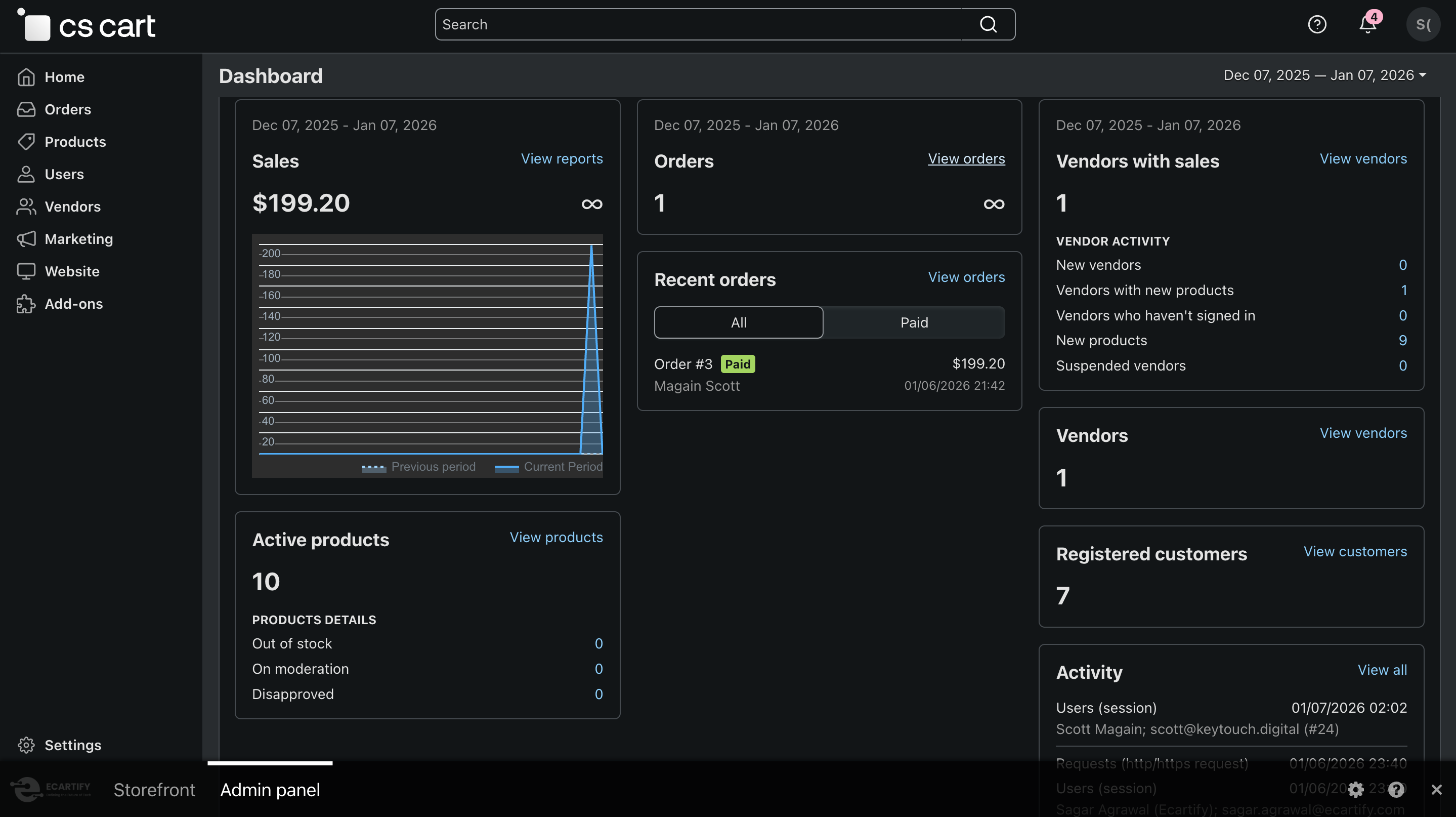
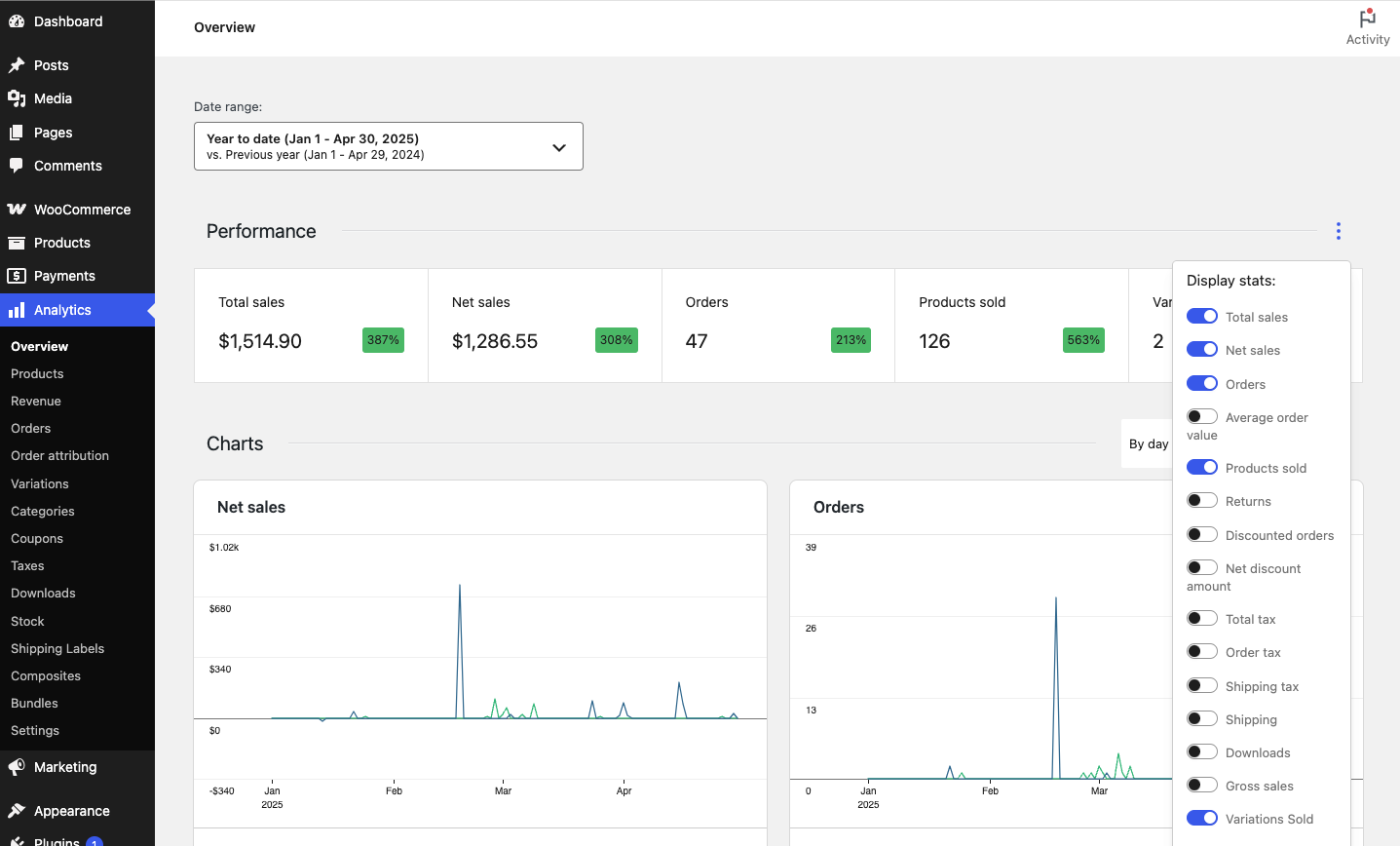
WooCommerce is beginner-friendly for WordPress users, while CS-Cart offers a more structured and powerful admin panel designed specifically for eCommerce and marketplaces.
Scalability and Performance
CS-Cart is optimized for high-traffic stores and large product catalogs. WooCommerce can scale as well, but often requires performance optimization, caching plugins, and strong hosting infrastructure.
Feature Comparison Table
| Feature |
CS-Cart |
WooCommerce |
| Platform Type |
Dedicated eCommerce & Marketplace |
WordPress Plugin |
| Multi-Vendor |
Built-in |
Requires Plugins |
| Scalability |
High |
Medium to High (with optimization) |
| SEO |
Built-in |
Plugin-based |
| Pricing |
Paid License |
Free + Add-ons |
When to Choose CS-Cart
- You want to build a multi-vendor marketplace
- You manage a large product catalog
- You need enterprise-level scalability
- You want built-in features without heavy plugin dependency
When to Choose WooCommerce
- You already use WordPress
- Your business is content-driven
- You have a limited initial budget
- You run a small or medium-sized store
Final Thoughts
Both WooCommerce and CS-Cart are powerful eCommerce platforms, but they serve different business goals. WooCommerce is ideal for small businesses and content-focused websites, while CS-Cart Multi-Vendor excels as a robust, scalable solution for marketplaces and high-volume stores.