CS-Cart Developer & eCommerce Security Specialist, Ecartify
Our security team has audited and hardened 100+ CS-Cart stores and Multi-Vendor marketplaces. We specialise in vulnerability assessments, secure add-on development, and long-term security posture improvement for eCommerce businesses.

- Introduction
- What Is XXE Injection?
- Why XXE Injection Is a Serious Threat
- Potential Business Risks
- Why CS-Cart Store Owners Should Care
- Common Areas Requiring Security Review
- Signs Your Store Needs a Security Assessment
- Best Practices for Prevention
- Our CS-Cart Security Services
- Benefits of Regular Security Assessments
- Why Choose Ecartify
- Frequently Asked Questions
Introduction: Why eCommerce Security Cannot Be an Afterthought
Running a successful eCommerce business involves more than managing products and processing orders. Your online store also handles valuable customer information, order details, user accounts, and business-critical data every day. Protecting this information is essential for maintaining customer trust and ensuring smooth business operations.
One of the more overlooked web application security risks is XML External Entity (XXE) Injection. If left unaddressed, this vulnerability can expose sensitive files, internal systems, and business data, and create serious security concerns for online businesses.
Whether you operate a CS-Cart shopfront, multi-vendor marketplace, or custom e-commerce solution, understanding XXE injection risks and implementing proactive security measures is crucial for long-term business success.
What Is XML External Entity (XXE) Injection?
XXE injection is a web application security vulnerability that occurs when an application parses XML input without properly restricting references to external entities.
Many eCommerce platforms process XML behind the scenes — for product feeds, vendor data imports, shipping carrier integrations, payment gateway callbacks, and API communication. When XML parsers are not configured securely, vulnerabilities may allow unauthorised access to internal files, internal network resources, or business systems that were never meant to be reachable from outside.
XXE Injection remains a frequently overlooked web application vulnerability. eCommerce stores are exposed wherever XML feeds, integrations, or file uploads are processed without secure parser configuration.
What Data Is at Risk in an eCommerce Store?
Online stores typically contain data across all of these categories — any of which can be exposed through an unaddressed SQL injection vulnerability:
| Data Type | Examples | Risk Level |
|---|---|---|
| Server Configuration Files | Application config, environment variables, credentials stored in local files | Critical |
| Product Feed Imports | Vendor product catalogs, pricing feeds, inventory XML uploads | High |
| Shipping & Carrier Integrations | XML-based rate requests, label generation, tracking data exchanges | Medium |
| Payment Gateway Callbacks | XML-formatted transaction responses and notifications | High |
| Vendor Data Import/Export | Multi-vendor onboarding files, bulk product uploads | High |
| Internal Network Resources | Internal services reachable via server-side request forgery through XML parsing | Critical |
Why XXE Injection Is a Serious Threat to eCommerce Websites
Unlike a simple website issue, security vulnerabilities can directly impact your customers and revenue. A security incident affecting customer or business data can have significant consequences for both customers and business owners — consequences that extend well beyond the initial technical event.
Security incidents in eCommerce are not just IT problems. They are business problems — affecting customer trust, revenue continuity, and legal standing simultaneously.
Potential Business Risks of XXE Injection
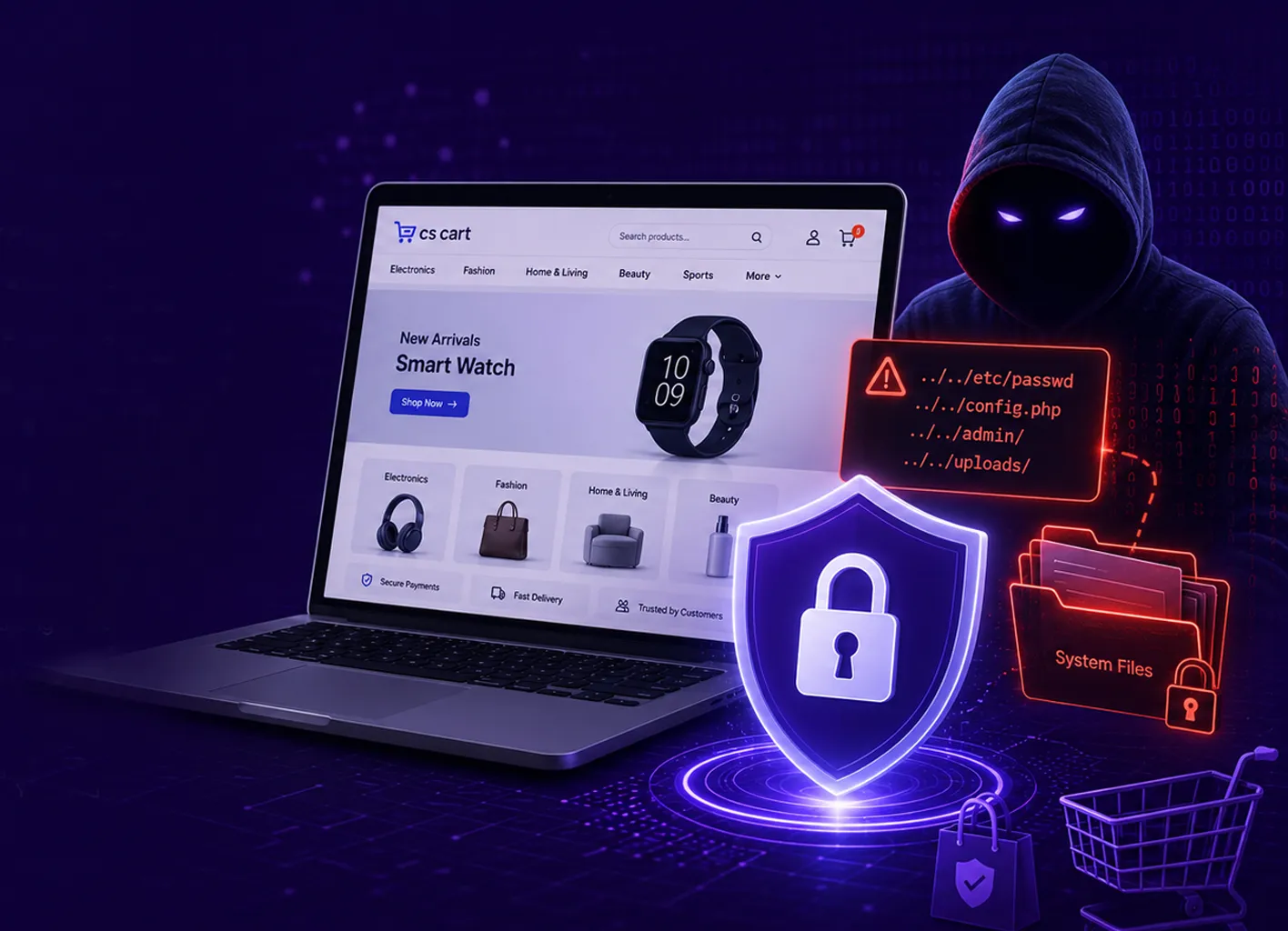
An unaddressed XXE vulnerability may allow local server files — including configuration files and credentials — to be read, exposing information never meant to leave the server.
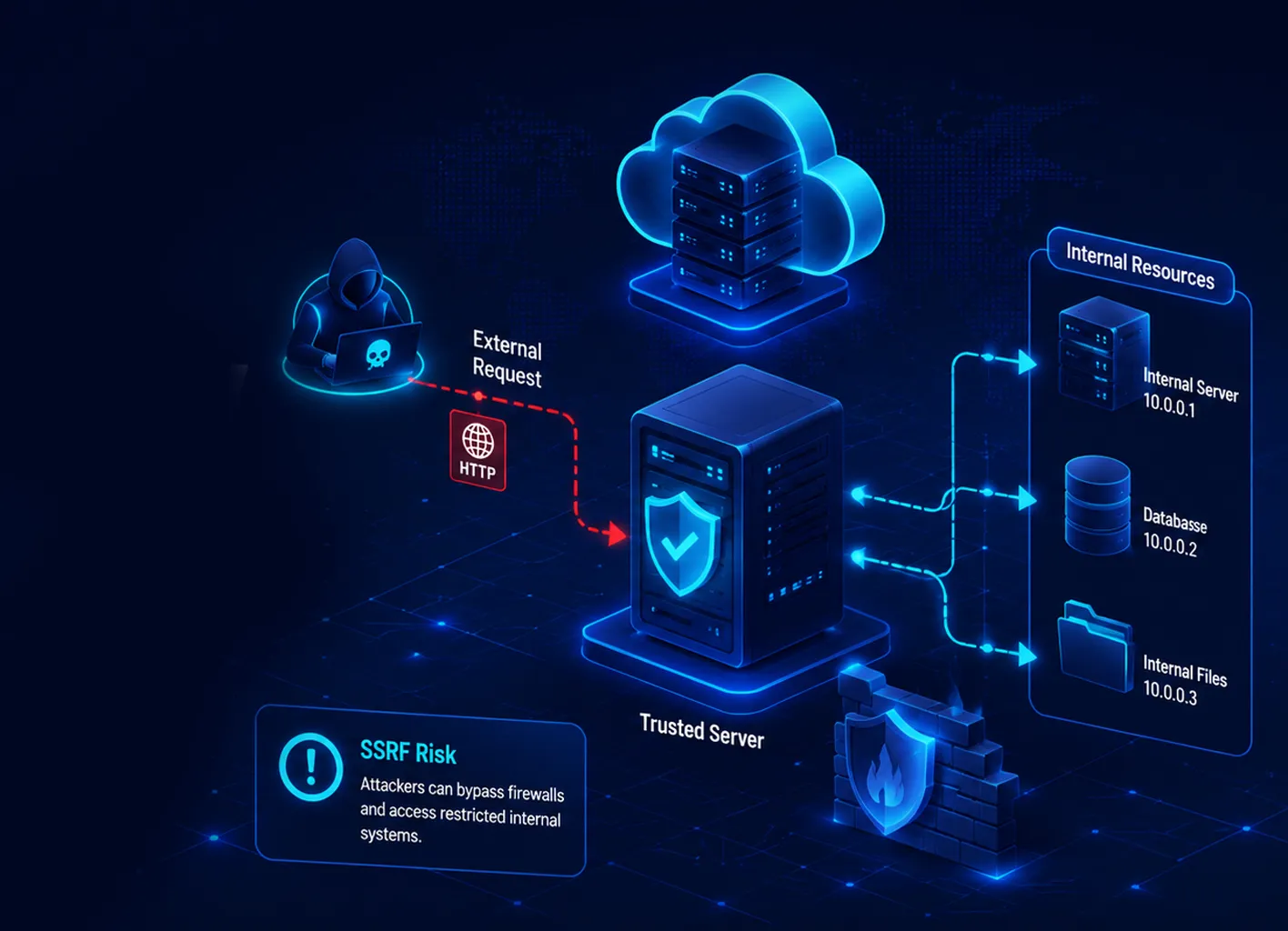
Security vulnerabilities may increase the risk of unauthorised interaction with internal network resources that are not directly accessible from the public internet.
Certain XXE attack patterns can affect server resources and availability, impacting order processing and day-to-day business operations.
Downtime, incident response, and recovery efforts may create unexpected costs for businesses. The cost of remediation after a breach consistently exceeds the cost of proactive prevention.
Businesses handling customer information are often expected to follow security best practices and data protection requirements. A breach can trigger regulatory review and potential liability.
Public disclosure of a security incident — particularly one involving internal system exposure — can permanently damage brand trust and customer retention in competitive eCommerce markets.
Why CS-Cart Store Owners Should Care About Website Security
CS-Cart is a powerful and flexible eCommerce platform trusted by businesses worldwide. However, like any web application, website security depends on proper maintenance, updates, customizations, and secure development practices — particularly anywhere XML processing is involved.
Many CS-Cart stores use a combination of the following, all of which can introduce XXE-related security risks if not reviewed regularly:/p>
| Component | Security Consideration | Review Priority |
|---|---|---|
| Product Feed & Import Add-ons | XML-based bulk import tools may parse uploaded files without secure parser settings | Critical |
| Third-Party Add-ons | External code may not follow secure XML processing standards | High |
| Marketplace Integrations | Multi-vendor XML data exchanges expand the attack surface | High |
| Custom Development Modules | Bespoke XML parsing logic may bypass secure defaults | High |
| Shipping & Payment Gateway Integrations | Insecure XML parsing on incoming callbacks can expose internal | systems Critical |
A proactive security assessment helps identify vulnerabilities before they become business problems. While CS-Cart's core is well-maintained, custom import tools, feed processors, and add-ons layered on top are where most real-world XXE vulnerabilities arise.
Common Areas That Require Security Review in CS-Cart Stores
Third-party modules that parse XML can introduce security weaknesses if they are not developed or maintained according to secure parser configuration standards.
Custom functionality that processes XML should always undergo proper security review to ensure external entity resolution is disabled by default.
Bulk product import and file upload features that accept XML are a common vector for XXE attempts and should be reviewed as part of a comprehensive assessment.
Multi-vendor onboarding and catalog import tools that accept XML from external vendors require strong parser-level security controls.
Endpoints that receive XML responses from carriers or payment gateways should be reviewed to ensure external entities cannot be resolved.
Multi-vendor marketplaces contain additional data flows and third-party integrations that significantly expand the attack surface and should be reviewed regularly.
Signs Your eCommerce Website May Need a Security Assessment
Your online store should undergo a professional security review if any of the following apply:
- The website has never undergone a security assessment.
- New features or customisations have recently been implemented.
- Multiple third-party add-ons are installed, including those that import or export XML.
- Vendor or product data is imported via XML feeds.
- Security updates are applied infrequently.
- The website processes online orders and transactions.
- The platform has been operating for several years without a security review.
If your CS-Cart store processes XML feeds, vendor uploads, or third-party integrations and has never had a formal security assessment, a review should be treated as a business priority, not a future consideration.
Best Practices for Preventing SQL Injection Vulnerabilities
These are the foundational security controls every CS-Cart store should have in place. Together, they form a layered defence that makes SQL injection significantly harder to execute successfully.
| Security Practice | What It Does | Priority |
|---|---|---|
| Secure Input Validation | User-supplied information is validated and sanitized before being processed by the application or passed to the database | Critical |
| Disable External Entity Resolution | XML parsers are configured to disable DTD processing and external entity resolution by default Critical | |
| Use Secure XML Libraries | Well-maintained parsing libraries with secure default configurations reduce the risk of unsafe XML processing | Critical |
| Input Validation for Uploads | All uploaded XML and feed files are validated and restricted before being processed by the application | High |
| Secure Error Handling | Technical parser error information is never exposed to website visitors, removing a key tool attackers use to map vulnerabilities | High |
| Regular Security Updates | Keeping the platform, add-ons, and custom components updated to close known vulnerabilities as they are discovered | High |
| Routine Security Assessments | Scheduled reviews that identify new vulnerabilities introduced by updates, new features, or evolving attack techniques | Ongoing |
Our CS-Cart Website Security Services
We help eCommerce businesses strengthen website security through comprehensive assessment and review services — with deep specialisation in CS-Cart's architecture, add-on ecosystem, and marketplace functionality.
Comprehensive review of your CS-Cart installation, configuration, and overall security posture — identifying vulnerabilities before they become incidents.
Identification of security risks across your entire online store that could affect customer information, business data, or platform availability.
Dedicated assessment of third-party modules and custom integrations — the most common source of security vulnerabilities in CS-Cart stores.
Verification of security settings at the platform, server, and database level, with implementation of recommended best practices aligned to your environment.
Detailed reporting with prioritised findings, severity classifications, and clear remediation recommendations your team can act on immediately.
Hands-on guidance for resolving identified vulnerabilities, followed by re-assessment and validation to confirm all security improvements have been successfully implemented.
Benefits of Regular Website Security Assessments
Organisations that invest in proactive security reviews consistently report better outcomes across business, compliance, and customer trust dimensions:
- Improved customer trust and brand confidence
- Reduced risk of costly security incidents
- Better protection of sensitive customer and business information
- Stronger overall website security posture
- Reduced downtime and operational disruption
- Increased confidence across business operations
- Proactive protection far less costly than incident response
- Improved readiness for data protection requirements
- Documented evidence of security due diligence
- Clearer understanding of your actual risk exposure
- Reduced liability in the event of a third-party audit
- Prioritized remediation roadmap based on real findings
- Ongoing visibility into security posture over time
- Stronger foundation for business growth and partnerships
Security assessments are often far less costly than responding to a security incident after it occurs. The average cost of proactive assessment is a fraction of the cost of breach remediation, lost revenue, and customer recovery.
Real-World Example of Load Testing
Imagine an eCommerce website preparing for a festive sale campaign. Normally, the website receives around 200 visitors per hour, but during the sale, traffic increases to thousands of users within minutes.
Without proper load testing, the checkout process may slow down, payment APIs may fail, or the database may become overloaded. This can directly impact sales and customer trust.
Using JMeter, testers can simulate thousands of users browsing products, adding items to cart, and completing checkout. The results help developers optimize server configuration, caching, APIs, and database queries before the sale goes live.
Frequently Asked Questions
Need Professional Load Testing Services?
Improve your website performance, identify bottlenecks, and prepare your application for high traffic using professional load testing solutions with Apache JMeter and modern performance optimization techniques.